

You can uncover the fascinating history of one of England's most-loved heritage cities by visiting Lancaster's family-friendly museums.
Lancaster welcomed the Romans and the Normans, and now welcomes you to discover the stories of its past at the City Museum, King's Own Royal Regiment Museum, Maritime Museum and Cottage Museum.
What's more, admission to the City, King's Own Royal Regiment and Maritime museums is completely free for local people living in the Lancaster & Morecambe District.
With an ever changing programme of exhibitions and events, and family activities, there is always something new to encounter at Lancaster's museums.
Photo credit: Robin Zahler and Lancaster City Museums
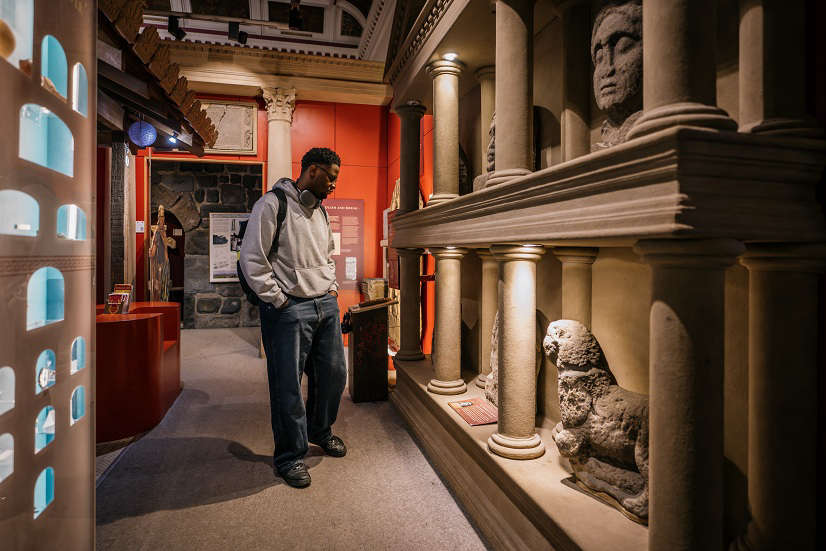
CITY MUSEUM
Overlooking the bustling Market Square right in the heart of Lancaster city centre, the impressive City Museum is housed in Lancaster’s former town hall.
The elegant Georgian building was constructed between 1781-3 to the designs of Major Thomas Jarrett and Thomas Harrison.
The museum itself was founded in 1923 and its varied collection and dioramas lead visitors through the social and industrial history and archaeology of Lancaster, and the stories of the people who have made the city what it is today.
Photo credit: Robin Zahler and Lancaster City Museums
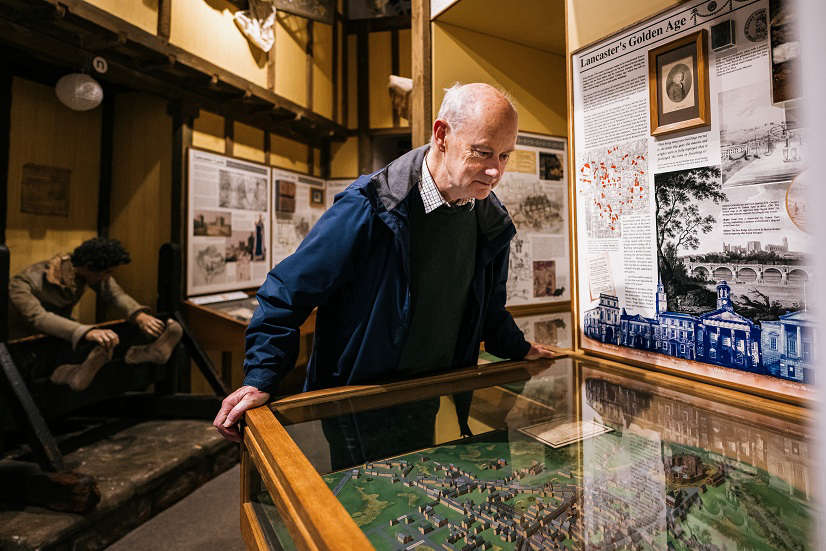
Don't miss the fine art collection or the programme of changing exhibitions in the ground floor gallery.
The City Museum building is also home to the King's Own Royal Regiment Museum, giving a fascinating insight into the military heritage of the city’s own regiment from 1680 onwards.
City Museum opening times
10.30am to 4pm, Friday to Tuesday
MARITIME MUSEUM
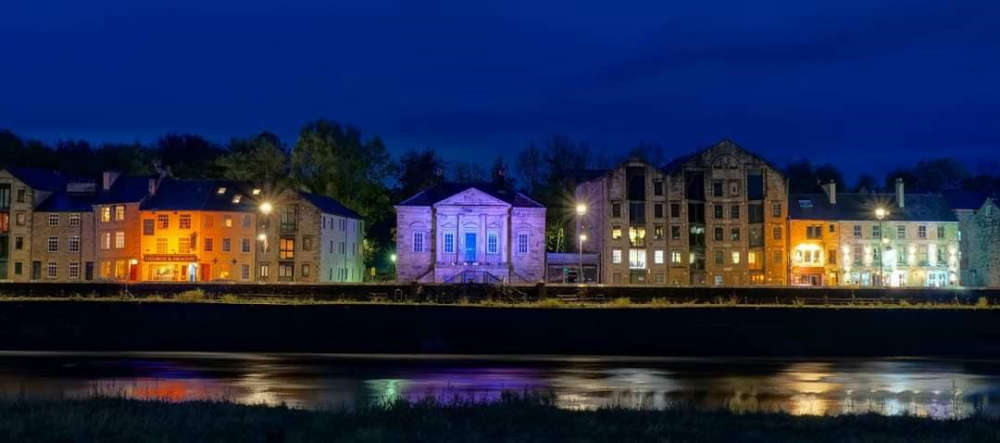
Based in two historic buildings on St. George’s Quay at the heart of the city’s 18th-century harbour, Lancaster Maritime Museum was opened in 1985 in the former Custom House, designed in 1764 by Richard Gillow.
It also incorporates the upper floor of the neighbouring warehouse, where goods were stored after being shipped into the port from all over the world.
Below, The Maritime Museum and the historic quay in all of its splendour during Light Up Lancaster 2023 (image courtesy of the Wagon & Horses)
Inside, you can explore these atmospheric and fascinating buildings and discover the history of the Port of Lancaster.
Experience the treacherous crossing of the sands, sit in a packet boat on the Lancaster Canal, listen to local fisherfolk speak of life on and around Morecambe Bay, or discover something new in the programme of changing exhibitions.
The displays delve into Lancaster’s darker side too, revealing the stories of the 18th century merchant families who built the city’s wealth from the trade in enslaved Africans and slave-produced goods.
This aspect of Lancaster's history is of special relevance to the museum, which is housed in the very buildings that formed the heart of the port in that era.
Maritime Museum opening times
Noon to 4pm, Friday to Monday
COTTAGE MUSEUM
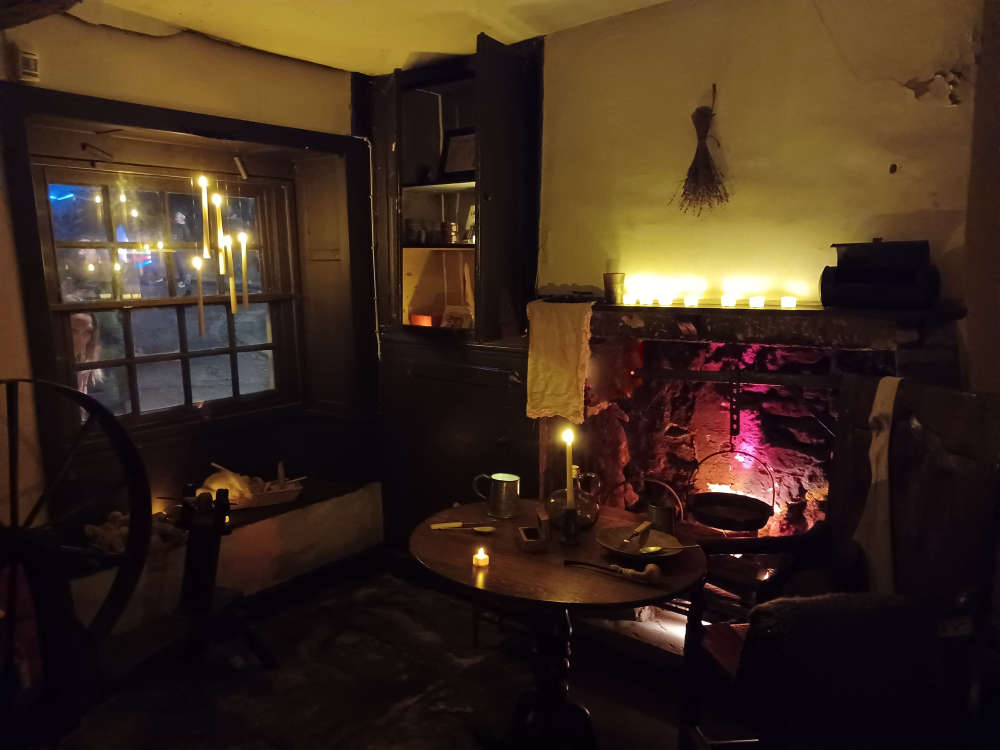
This period furnished 1739 artisan's house on Castle Hill was the home of Richard and Ann Thompson and provides a real insight into working people's lives during the 18th century.
Below, the Cottage by Candlelight. Photo credit: Lancaster City Museums
In 1739, George II was King of Great Britain and Ireland, Britain has just reopened hostilities with Spain, Dick Turpin the notorious Highwayman had just been hanged, and John Wesley had taken the Methodist message on the road across Britain.
Meanwhile, in Lancaster, the city was growing rich off the profits from the West India Trade. The Thompsons were moving up in the world and had bought a house on Castle Hill - a prestigious address.
The Cottage Museum is an immersive and hands-on experience. Wear your 18th century hat and sit in the old chairs, peep inside coffers, have a go on a spinning whorl and practise your cursive handwriting.
The Cottage Museum is temporarily closed for the winter. It will re-open in April 2026, when it will open on Saturdays from 1-4pm until September. Admission is £2 for adults and free for children.
COLLECTION
The Lancaster City Museums’ collection is wonderfully diverse and incredibly interesting - with everything from velocipedes to votes for women, fishing nets to metal-detected finds.
One of Lancaster City Museum’s most popular objects, the Insus Tombstone, was first discovered in Lancaster in 2005. It is carved from sandstone and is thought to date from the first century, around AD 75-100.
Photo credit: Robin Zahler and Lancaster City Museums
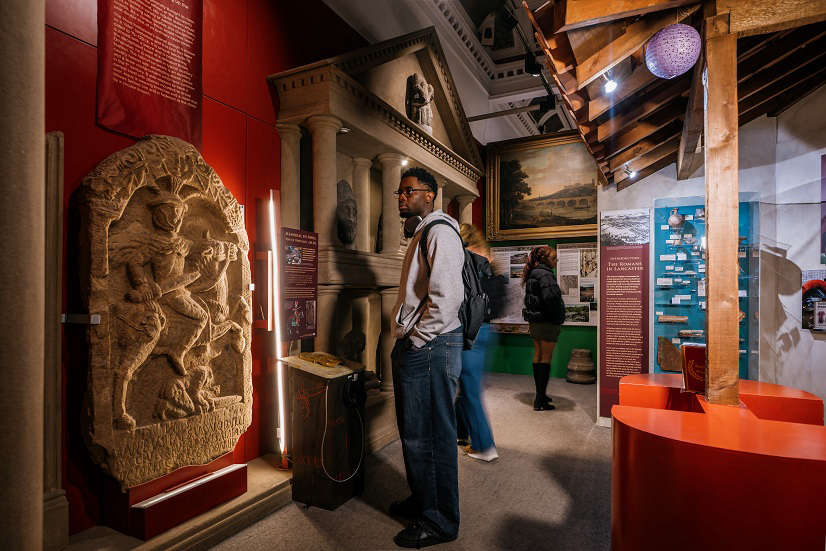
The tombstone is actually a memorial and was found with no burial remains. It is a ‘Reiter’ or ‘rider’ type that depicts a mounted cavalryman in action with the decapitated head of an adversary, the body at his horse’s feet.
Standing at seven feet high and three feet wide, it is hewn from a kind of sandstone called millstone grit. The fact that it is made of this stone shows that it was likely created in the Lancaster area.
More Roman artefacts are on display at both the City Museum and Maritime Museum.
EXHIBITION
The Lancaster Maritime Museum is hosting a temporary exhibition called 'Life After Death' until April 2026.
This explores how science reveals secrets of prehistoric lives from ancient human remains found locally.
FIND OUT MORE
You can find out more about Lancaster museums at the website HERE.
Or follow Lancaster City Museums on Facebook.

 LISTEN: 'Little scientists' wanted at Lancaster University's Infant and Child Development Lab
 LISTEN: Lancaster mental health charity holds Valentine's Ball to support its vital work
 Lancaster City Council launches weekly food waste collections this February
 Stay well and quit smoking with help of Morecambe community centre
 ADVERTISING FEATURE: Banks Lyon Jewellers sparkles in Lancaster for 40 years