
Lancaster City Council is to spend around £1million on improving the energy efficiency of its buildings as part of ambitious plans to make its services net zero carbon by 2030.
The council declared a climate emergency in January 2019 and since then has made great strides in cutting its carbon emissions.
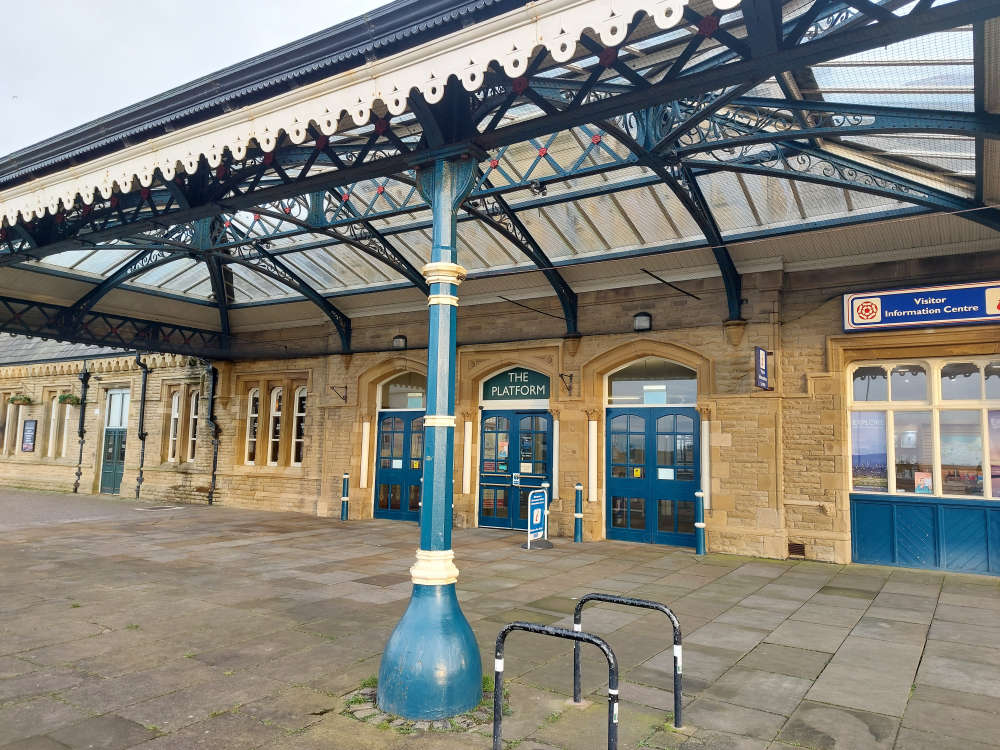
In the latest move the council will install new measures at 10 more buildings: Lancaster Town Hall, Morecambe Town Hall, CityLab, Maritime Museum, Lancaster City Museum, Old Fire Station, Palatine Hall, The Platform, White Lune Depot and Ryelands House.
Works will vary depending on the property but will include a mixture of LED lighting, air and ground source heat pumps, upgraded insulation, secondary glazing and solar PV.
Together it is estimated that these measures could save up to around 133 tonnes of CO2 each year from natural gas and reduce electricity consumption by as much as 231,000 kWh, equivalent to running 80 average homes for a full year.
Councillor Kevin Frea, cabinet member with responsibility for climate action, said: “Tackling the devastating impact of climate change is at the heart of all the council’s policies.
“Through projects such as this we’re making significant progress in meeting our ambitious target of making the council’s activities net zero by 2030.”
The project is being funded by the Public Sector Decarbonisation Scheme (PSDS), money from which has already successfully paid for the decarbonisation of Salt Ayre Leisure Centre. Now substantially complete, it has seen the installation of a 2,880 panel solar farm, a bespoke two-stage heat pump system, new glazing and LED lighting.
Along with a new green energy tariff this means Salt Ayre is now one of the first leisure centres in the country to become carbon neutral. The work has reduced the council’s emissions from natural gas by 35%.
The scheme recently received praise from its funders, who described it as an “exemplary scheme” which will be used as a case study for other similar schemes.
Emissions from natural gas and road diesel produce the bulk of the city council’s direct emissions. Collectively, the new measures work will see natural gas emissions reduce by a further 4%. In February 2022, the council also committed itself to decarbonising its vehicle fleet and over the next four years plans to replace 52 vehicles with electric alternatives, with the aim of having a fully decarbonised fleet by 2030.

 Three arrests made in Lancaster police crackdown as e-bikes seized
 Partnership delivers knockout results for young people in Lancaster
 Morecambe hosts counter pollution training exercise
 Two arrested and charged after alcohol related incidents in Carnforth
 Operator of main train line through Lancaster and Morecambe Bay to be nationalised
 Event will celebrate military heritage of the Lancaster Campus of University of Cumbria
 Samba Espirito celebrate 10th anniversary with spectacular Bay Drumfest
 Crews deal with car on fire on M6 near Lancaster
 Crews tackle lorry on fire on Bay Gateway
 ‘Significant sum’ stolen from pensioner amid reports of courier fraud in Lancaster and Carnforth
 New public telescope in Morecambe offers spectacular views across bay
 Council vows to take action in aftermath of Lancaster and Morecambe floods
 Eric Morecambe's 100th birthday and town film festival up for Lancashire Tourism Awards
 Two wards at Royal Lancaster Infirmary set to close as part of community care plans
 Leading Morecambe councillor defects from MBIs to Greens
 Morecambe sports and social club saved and set to reopen
 Council leader explains reason for Frontierland decision delay
 BBC documentary series explores Lancaster University slave-trade research
 "No decision made" to demolish Morecambe bus shelter as campaigners speak out at town hall
 Crews tackle fire at Lancaster house