
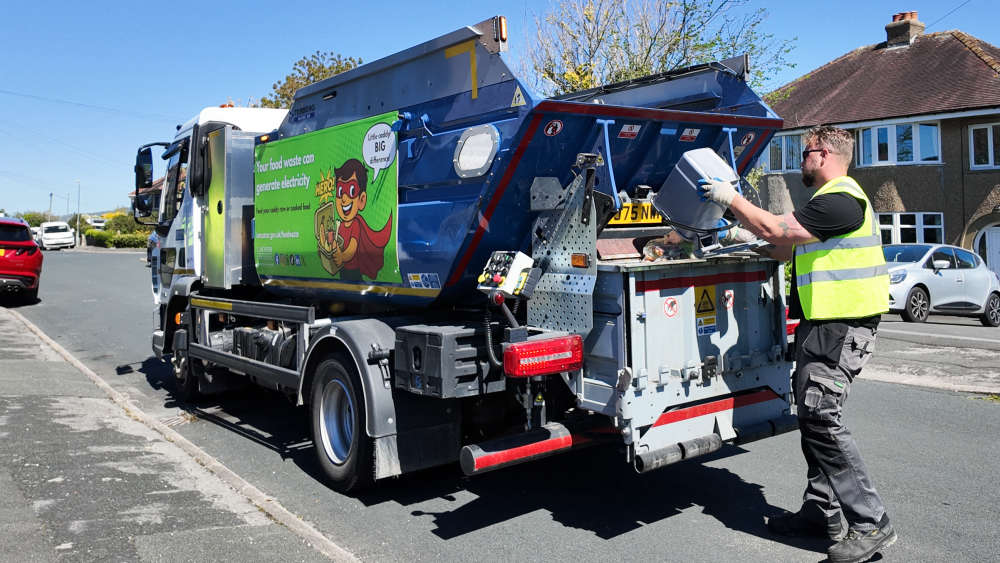
More than 885 tonnes of food waste has been collected since changes to recycling were introduced in the Lancaster and Morecambe District.
Lancaster City Council has thanked residents for co-operating with the returning household food waste recycling scheme, which began earlier this year.
They said householders across the area had recycled the equivalent of 63 double decker buses in just four months.
The weekly food waste collection service was brought back in February.
Residents have been recycling everyday items such as fruit and vegetable peelings, leftovers, tea bags, and bones that would otherwise have been sent to landfill or incineration.
The council said all of the food waste that is collected from homes is transformed into fertiliser to support local agriculture and will soon be used to create biofuel that will generate renewable energy.
“On behalf of the council, I’d like to thank everyone who recycled their food waste and encourage anyone who hasn’t yet started to get involved," said Councillor Paul Hart, cabinet member with responsibility for environmental services.

“This small change really can make a big difference. By sending less waste to landfill, there is more money to spend on other services, more space in grey bins, and we are helping to return valuable nutrients back to the soil.”
The council has also said they will provide additional caddy liners without charge.
Households can either tie an empty liner or bag to the handle of their food waste bin on their collection day for crews to resupply or visit the town halls in Lancaster or Morecambe during opening hours.
Earlier in 2026, residents were given a new seven-litre kitchen caddy and a 23-litre external food waste bin - or communal bin where appropriate - to recycle food separately from their other waste.
The scheme was reintroduced by Lancaster City Council, who are responsible for waste collection across the district, to comply with government recycling reforms.
The national initiative requires all councils in England to collect household food waste separately by March 31 2026 to boost recycling rates and reduce the amount of waste ending up in landfill or incineration.
The new service accepts all types of food waste, including: leftovers; dairy products; fruit; vegetables; rice; pasta; beans; baked goods; meat; fish; bones; tea bags; and coffee grounds.
Once collected, the waste will go to Lancashire County Council’s anaerobic digestion facility in Leyland to be transformed into renewable biogas for electricity, and nutrient-rich fertiliser for farmland.
The return of food waste recycling for the first time since a previous scheme was scrapped in 2016, was the second of three phases of changes to waste collection across the Lancaster and Morecambe District, which got under way last year.
It began with the replacement of 55 litre recycling boxes with 240 litre wheelie bins for for glass, plastic and tins; and cardboard and paper.
The third phase began in April 2026, when fortnightly collections of non-recyclable waste (grey bins); plastics, glass and cans; and paper and cardboard, changed to three-weekly collections.

 UPDATE: Two men charged with robbery and burglary offences at Morecambe and Lancaster shops
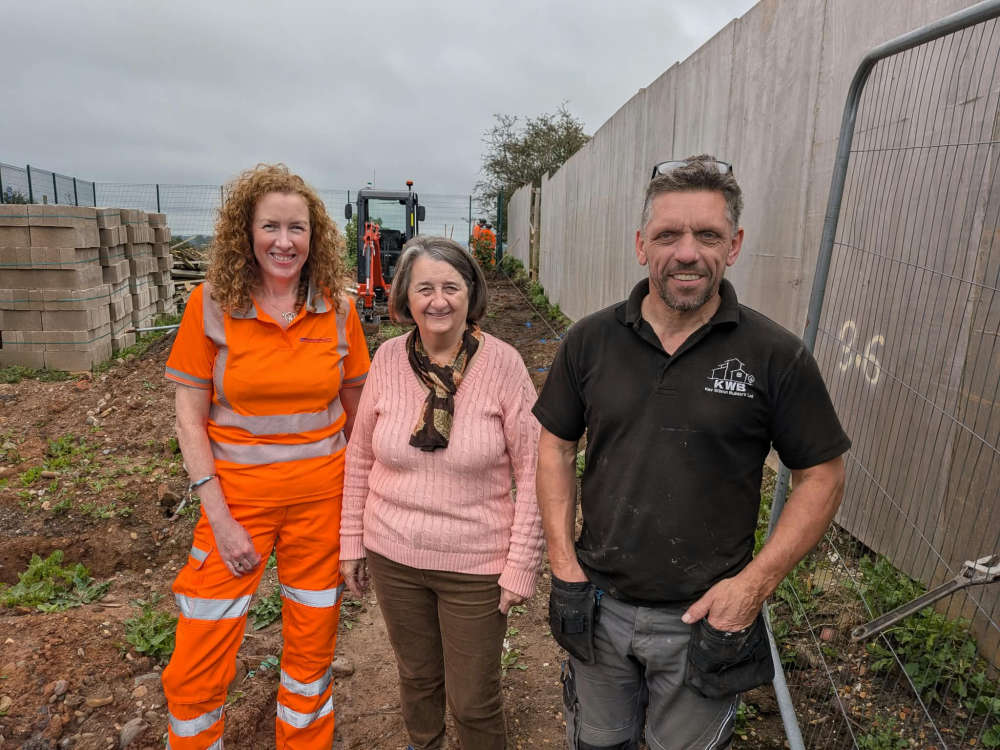 LISTEN: Community garden taking shape in memory of Heysham toddler
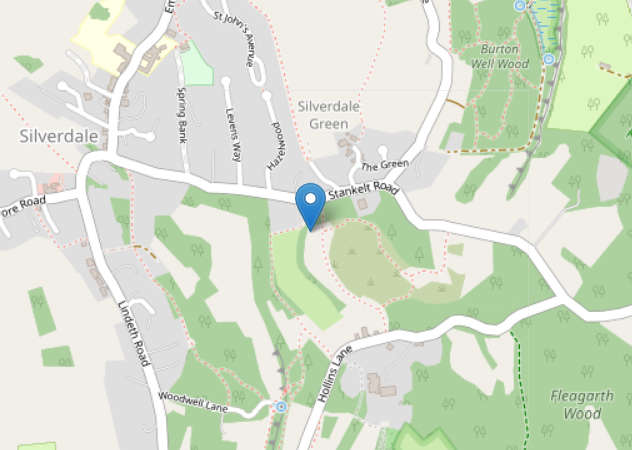 Second earthquake in two days hits Silverdale as tremors felt across Morecambe Bay
 £2.5m funding boost for Eden Project Morecambe will help create new visitor zone
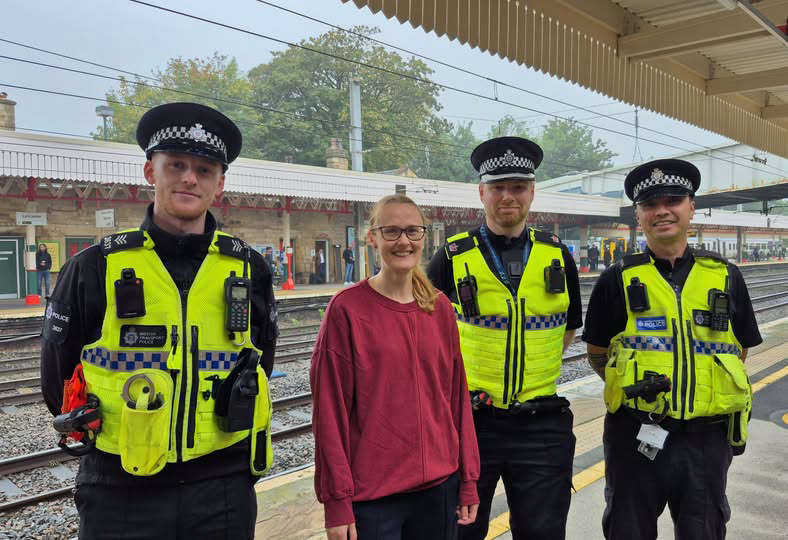 British Transport Police office returns to Lancaster Railway Station
 Ryelands Community Connect scheme aims to bring together locals
 Twenty vehicles caught speeding during police crackdown in Lancaster
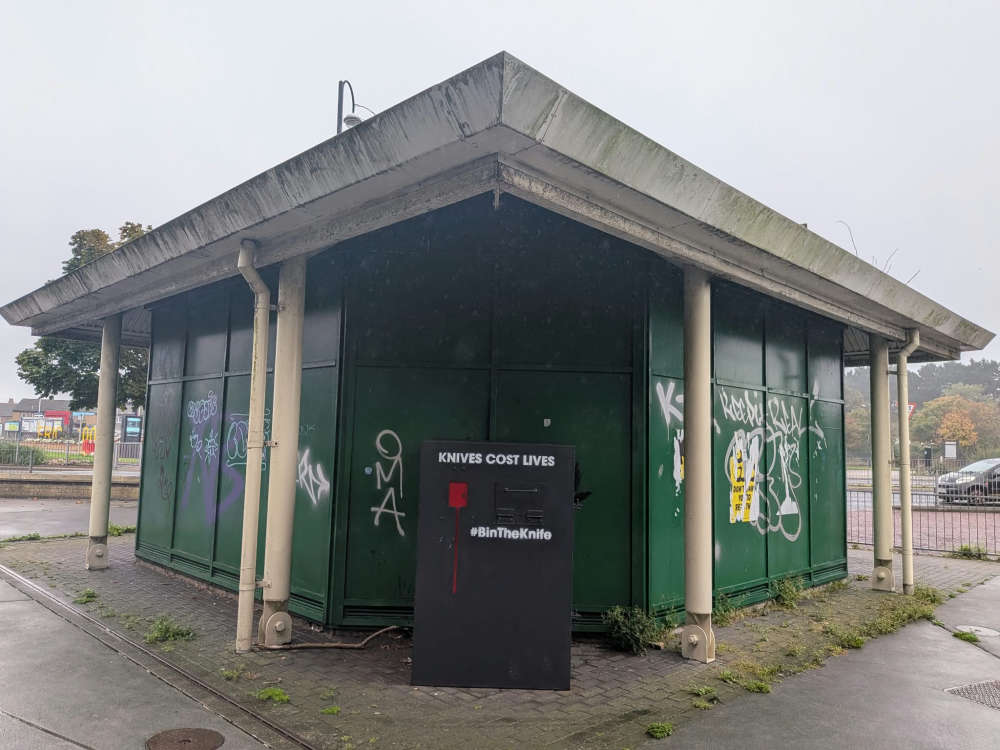 Councillors call for halt to demolition of vandalised Morecambe 'youth hut'
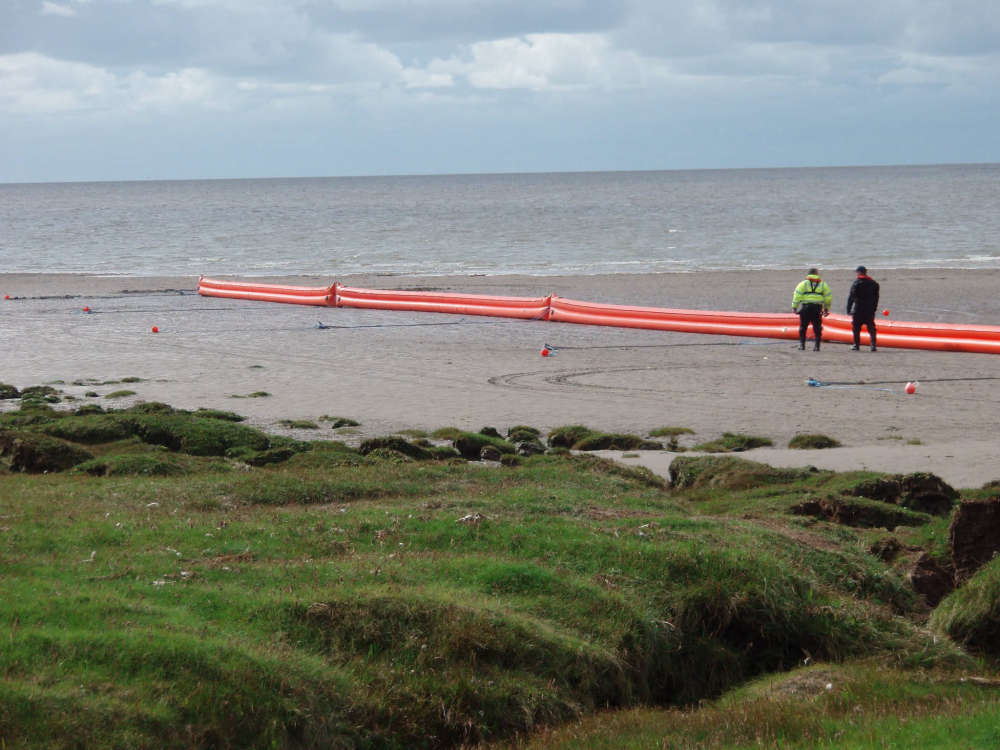 Coastal pollution clean-up training to be held on Morecambe beach
 Man seriously injured at Morecambe pub "making excellent progress" as investigation continues
 Vandals target tractors used by King's Guide to Sands of Morecambe Bay to keep walkers safe
 MP hopes for improved mobile signal at last as new mast installed in Lancaster
 Maternity services at the Royal Lancaster Infirmary officially exit national special measures
 Crews tackle kitchen fire in Lancaster
 Opening date announced for animal rescue charity's new Morecambe home
 Lancaster MP takes on Morecambe 10K in aid of new children's playground
 Tributes paid to twice-Lancaster mayor who served on council for 56 years
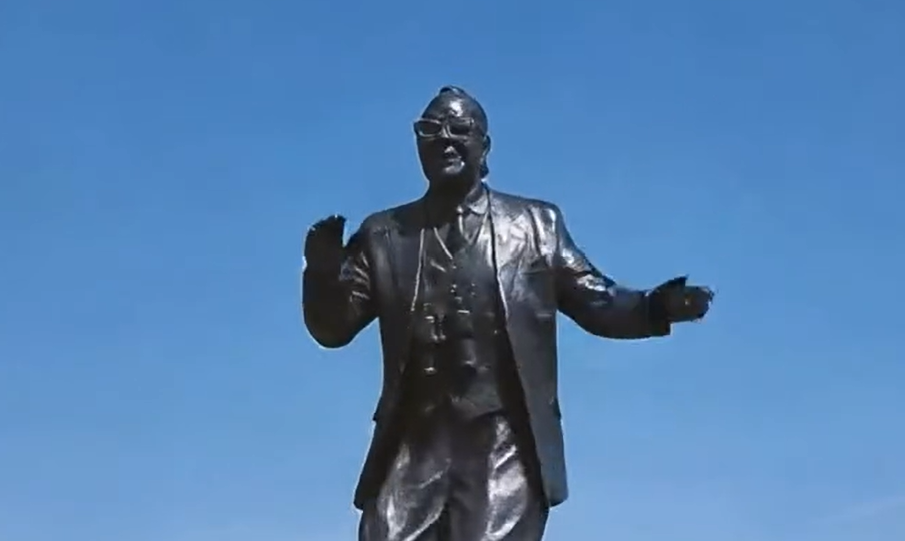 Dancing Eric Morecambe Statue part of police campaign to warn about AI deepfakes
 PHOTOS: Great Wall of China trek raises more than £300K for Lancaster hospice
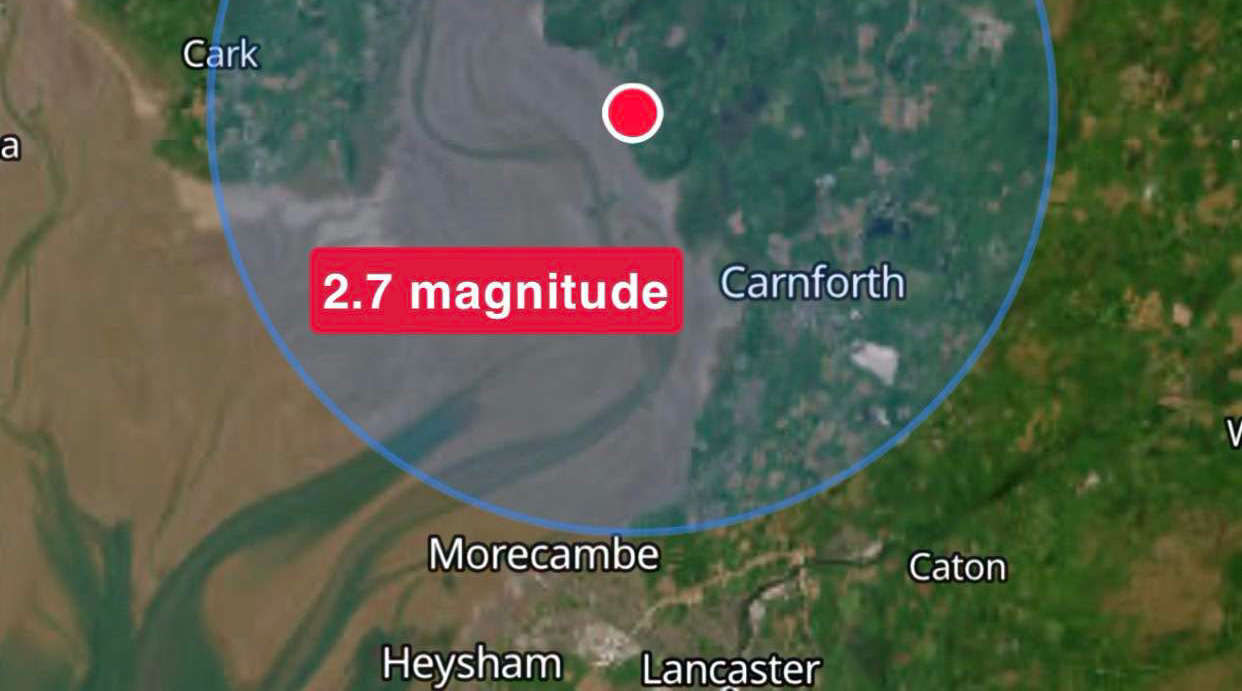 Another earthquake hits Silverdale as tremors felt across Lancaster and Morecambe Bay