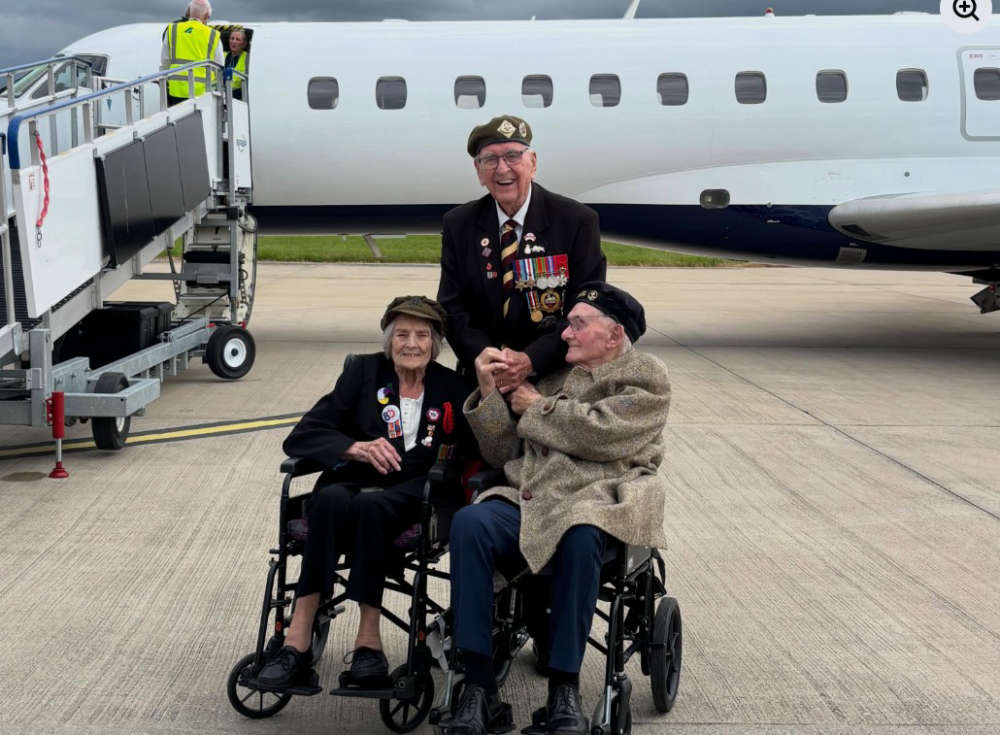
A Lancaster war hero has returned home after being part of the 82nd D-Day commemorations in Normandy.
Sgt Richard Brock, who recently celebrated his 102nd birthday, joined fellow centenarians Marjorie Hanson (103) from Poulton, and Ken Benbow (100) from Garstang for the trip.
Richard was awarded numerous medals for bravery including the Legion d'Honneur, the highest military order of merit in France, after being part of the largest seaborne invasion in history.
He landed on the beaches at Normandy with the Allied Forces as they advanced into Nazi-occupied France in 1944.
Over the next 12 months he helped to liberate parts of France and the Netherlands, saw first-hand the horrors of the Nazi concentration camps, narrowly escaped death after a missile landed on a cinema in Belgium, was part of the famous 'A Bridge Too Far' battle, and invaded Germany's second biggest city as Hitler's forces surrendered.
Richard was flown to Caen and then chauffeured by The Taxi Charity for Military Veterans, accompanied by Col. David Waters of Lancashire Armed Forces Association, their carers, and the Lord-Lieutenant of Lancashire, Amanda Jane Parker JP DL.
The service at the British Normandy Memorial was followed by plenty of calls for photos with the inspirational veterans, and a quick transfer to Bayeux Cemetery for a moving service.
Richard delivered the Kohima Epitaph and the Exhortation, before laying a wreath on behalf of all veterans.
The Kohima Epitaph is the epitaph engraved on the Memorial of the 2nd British Division in the cemetery of Kohima (North-East India). It reads: ‘When You Go Home, Tell Them Of Us And Say, For Your Tomorrow, We Gave Our Today.'
The verse is attributed to John Maxwell Edmonds (1875-1958), and is thought to have been inspired by the epitaph written by Simonides of Ceos to honour the Greeks who fell at the Battle of Thermopylae in 480BC.
The Exhortation is said at Remembrance events before the Last Post is played and the Two Minute Silence. The extract is from a poem written by Robert Laurence Binyon called "For the Fallen", composed in September 1914, just a few weeks after the outbreak of the First World War.
It reads: "They shall grow not old, as we that are left grow old, Age shall not weary them, nor the years condemn. At the going down of the sun, and in the morning, We will remember them."
A spokesperson for the Lord-Lieutenant’s office said: “Particular thanks go to BAE for their generous support, and their staff, ground and air crews, who were superb.
“It was a moving ceremony and a wonderful day with these fabulous and irrepressible heroes.”

 UPDATE: Two men charged with robbery and burglary offences at Morecambe and Lancaster shops
 LISTEN: Community garden taking shape in memory of Heysham toddler
 Second earthquake in two days hits Silverdale as tremors felt across Morecambe Bay
 £2.5m funding boost for Eden Project Morecambe will help create new visitor zone
 British Transport Police office returns to Lancaster Railway Station
 Ryelands Community Connect scheme aims to bring together locals
 Twenty vehicles caught speeding during police crackdown in Lancaster
 Councillors call for halt to demolition of vandalised Morecambe 'youth hut'
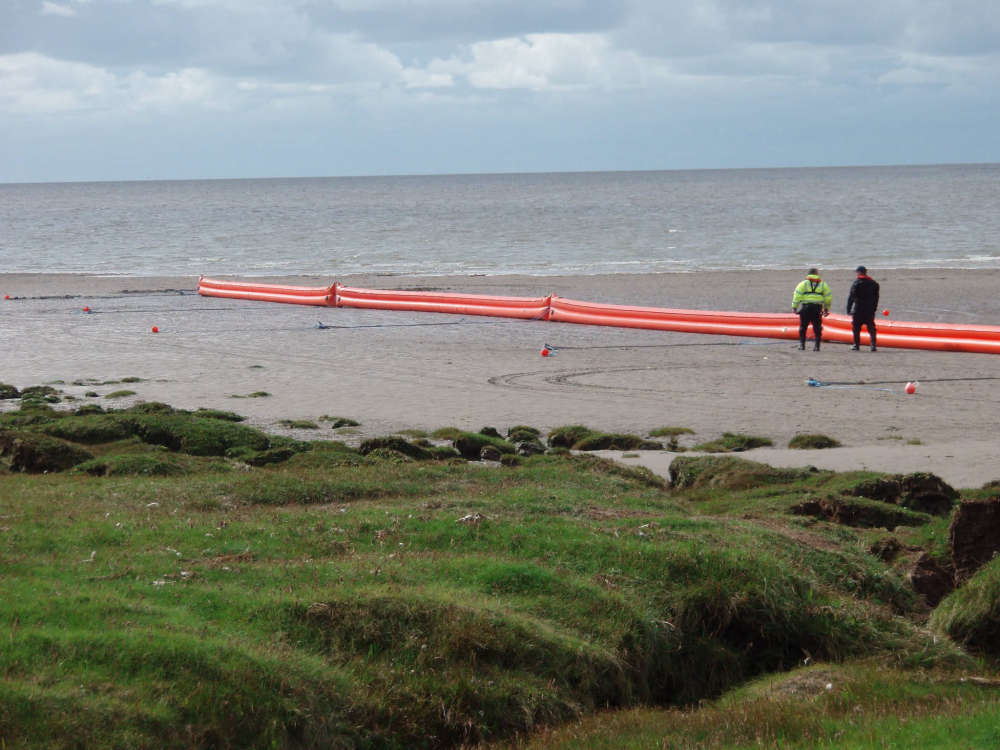 Coastal pollution clean-up training to be held on Morecambe beach
 Man seriously injured at Morecambe pub "making excellent progress" as investigation continues
 Vandals target tractors used by King's Guide to Sands of Morecambe Bay to keep walkers safe
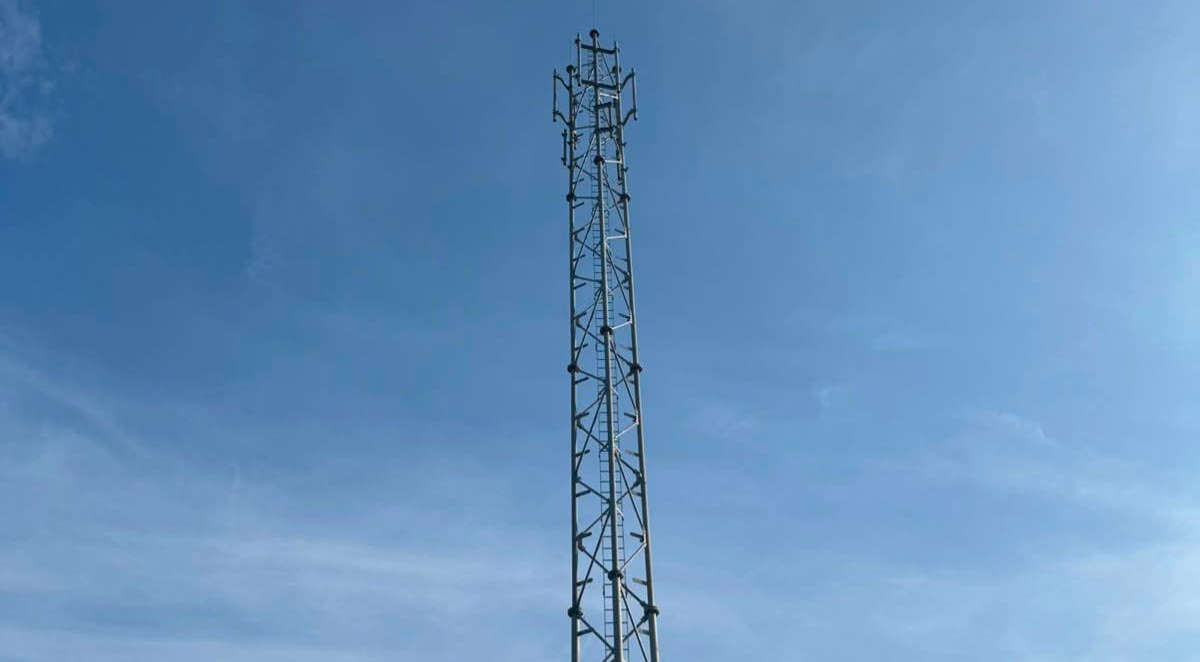 MP hopes for improved mobile signal at last as new mast installed in Lancaster
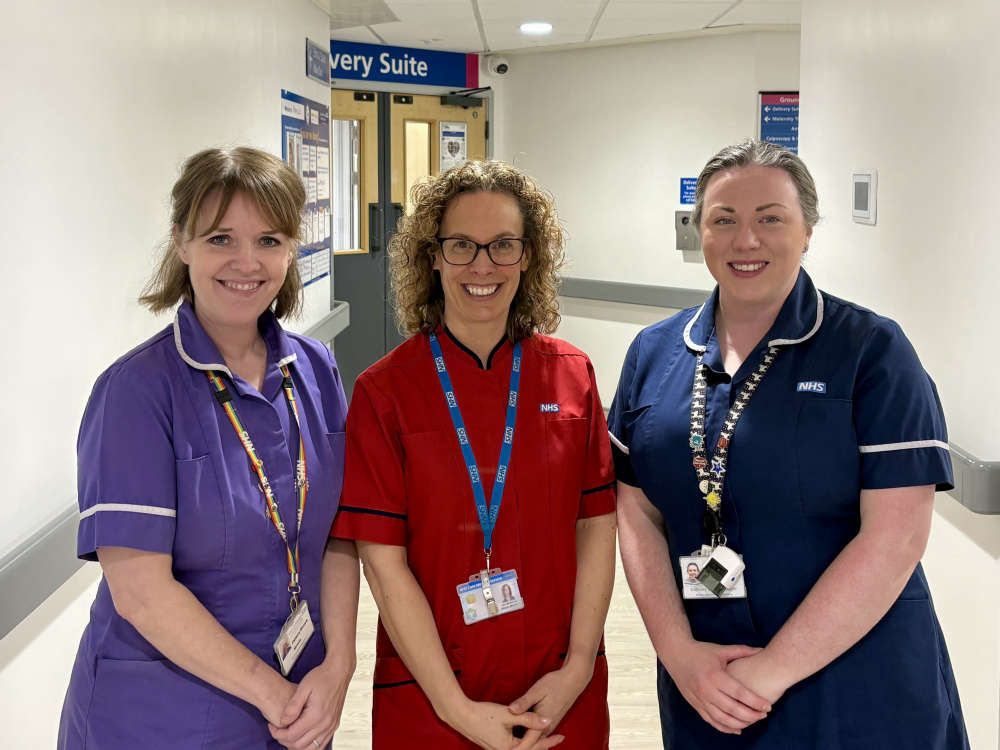 Maternity services at the Royal Lancaster Infirmary officially exit national special measures
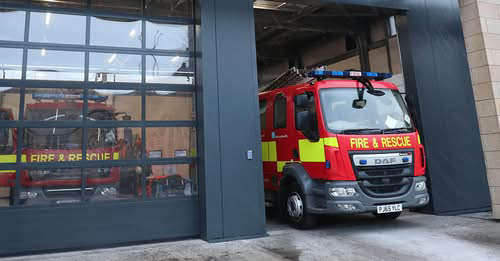 Crews tackle kitchen fire in Lancaster
 Opening date announced for animal rescue charity's new Morecambe home
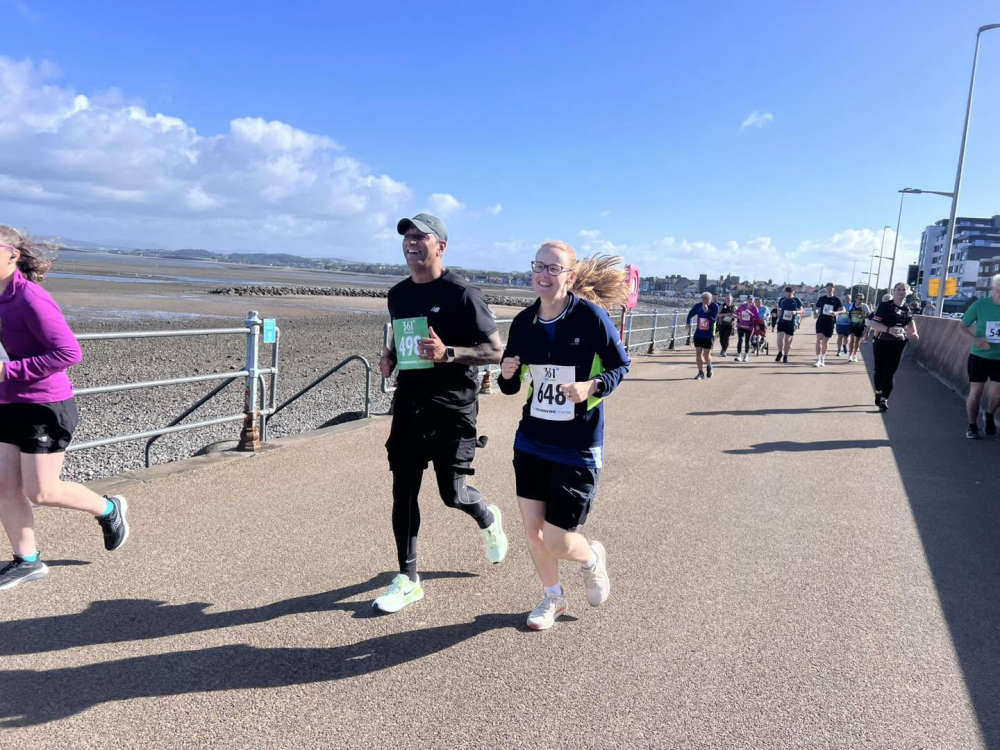 Lancaster MP takes on Morecambe 10K in aid of new children's playground
 Tributes paid to twice-Lancaster mayor who served on council for 56 years
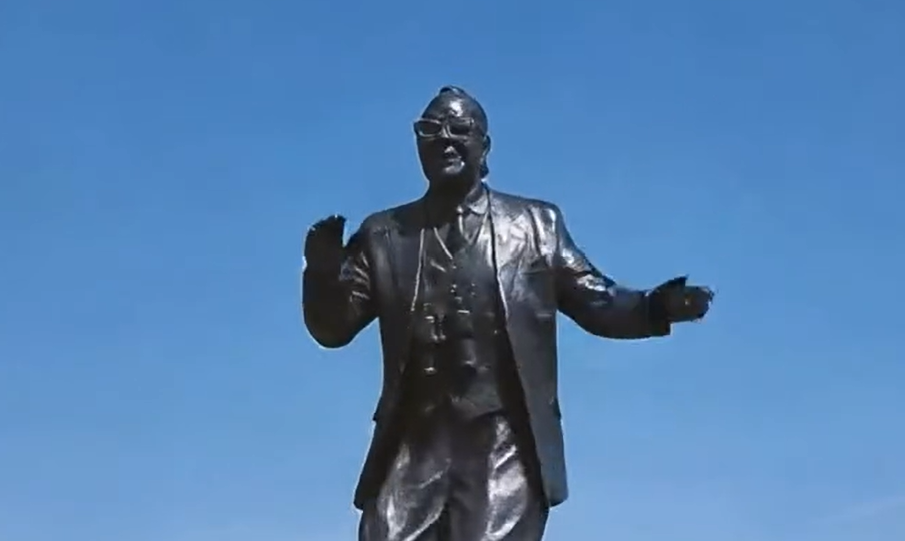 Dancing Eric Morecambe Statue part of police campaign to warn about AI deepfakes
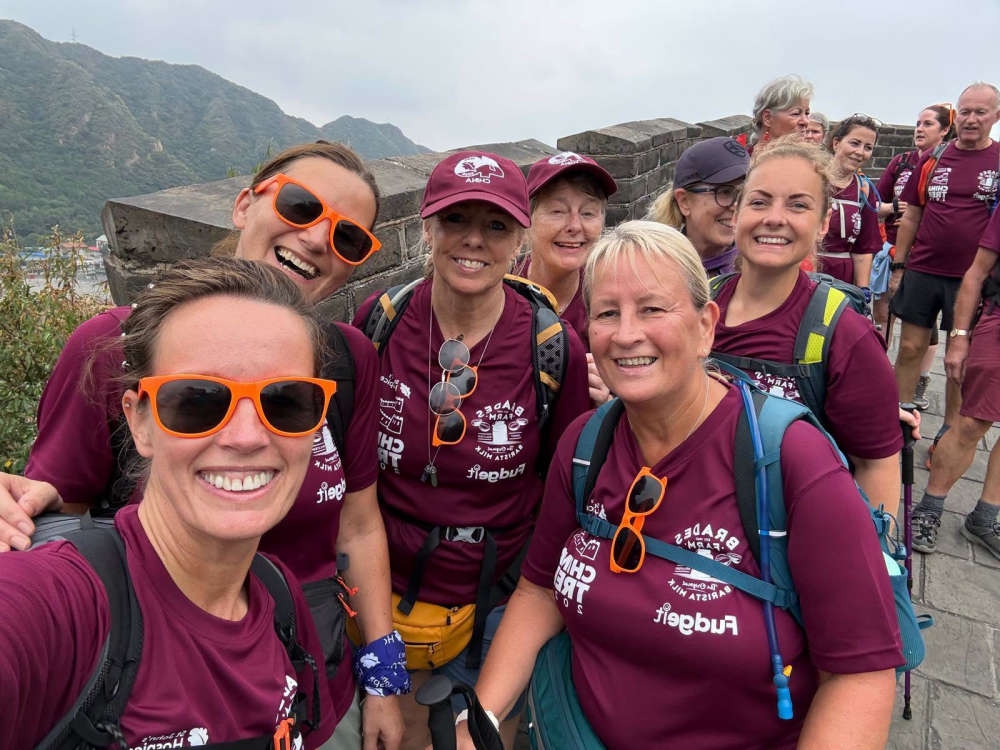 PHOTOS: Great Wall of China trek raises more than £300K for Lancaster hospice
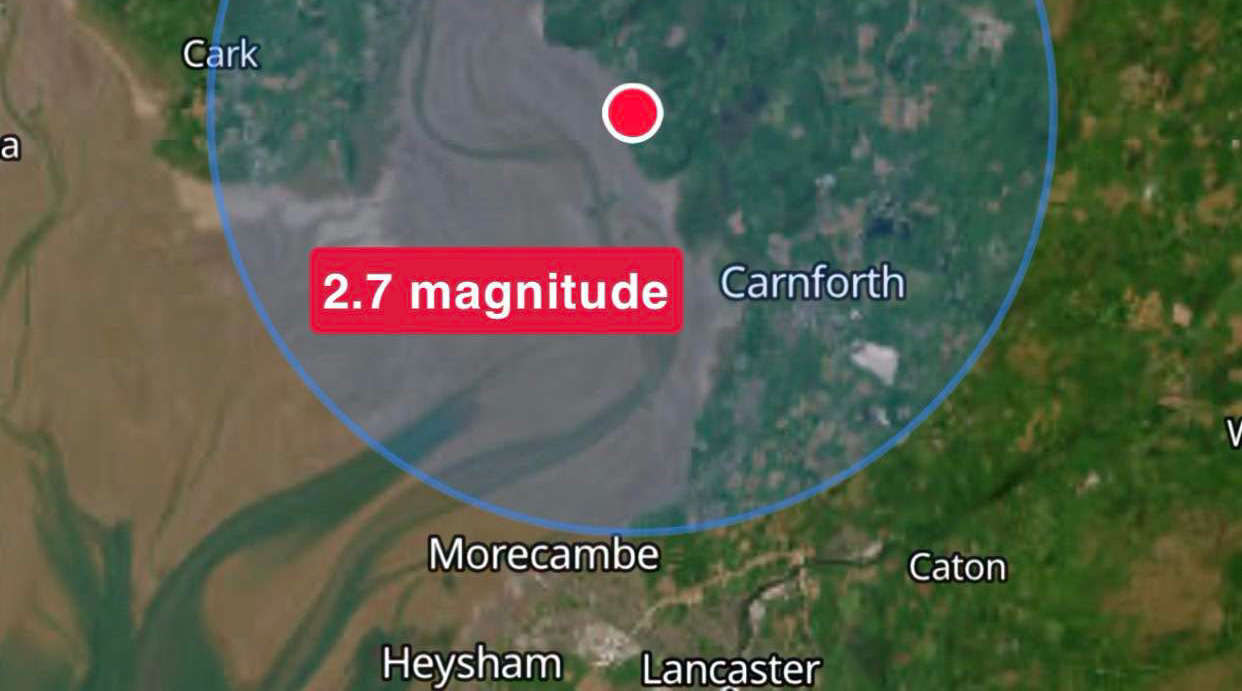 Another earthquake hits Silverdale as tremors felt across Lancaster and Morecambe Bay