
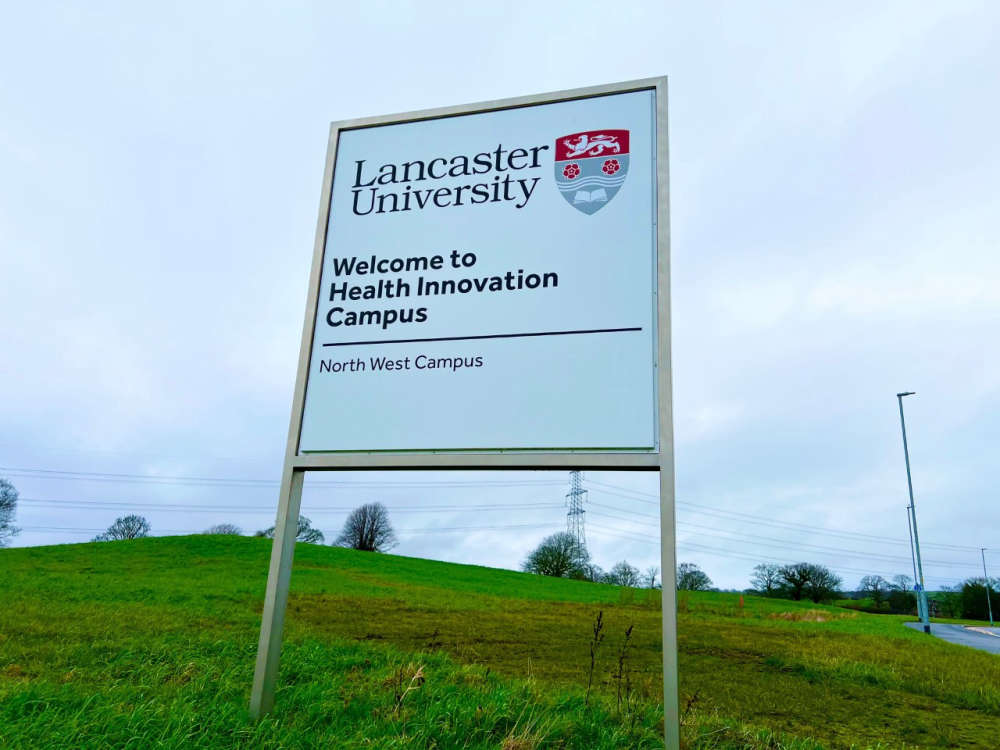
The Morecambe Bay area has the highest rate of common cancers compared with the average rates for the whole North West or even England, according to Lancaster University research.
However, average cancer rates for other areas like Manchester and Liverpool have not yet been analysed by statisticians so this does not mean that Morecambe Bay is the worst in the region or in England, but that it compares poorly with the average rates for the North West and England.
The three types of cancer which are higher in the Morecambe Bay area are breast, bowel and urological - which includes prostate, kidney, bladder, testicular and penile cancers.
The area covered by the University Hospitals of Morecambe Bay NHS Foundation Trust includes Morecambe and Lancaster in Lancashire plus Kendal, Ulverston, and Barrow-in- Furness in Cumbria.
The study also found that people in Barrow-in-Furness are at the highest risk of developing any type of cancer compared within the Morecambe Bay region or the average of the North West overall.
The risk in Barrow-in-Furness was three times greater than the risk for people living in surrounding rural areas and higher than for similar urban areas in Morecambe and Lancaster. Differences between regions demonstrated that rural areas were least impacted by cancer.
Morecambe, Lancaster and Barrow-in-Furness, had a higher risk of cancer up to six times greater than the risk of cancer in the more rural areas of Windermere West, Burton in Lonsdale and Quernmore.
Factors influencing the risk of a cancer diagnosis were age, deprivation, ethnicity, frailty, and additional illnesses.
The research published in Public Health in Practice, the journal of the Royal Society for Public Health, analysed 15,506 cancer diagnoses in the Morecambe Bay area between 2017 to 2022.

Lead author Dr Luigi Sedda (above) from the Lancaster Ecology and Epidemiology Group at Lancaster Medical School said: “Research needs to be carried out to gain a better understanding of why this is the case and what can be done to reduce these differences in the areas that need it most.
“Understanding which areas have a high number of cancer cases, the geographic, socio-economic, and demographic drivers for the presence of multiple cancers in an area, is essential to develop efficient and integrated interventions.
“Area specific programmes need to be put in place which target the specific risk factors and cancer types of an area, with programmes focusing first on locations with the largest risk and incidence of cancer, such as Barrow in Furness.
‘’These programmes could include, for example, mobile screening units to increase early diagnosis, increased awareness of the signs and symptoms of cancer within workplaces, and increasing access to exercise, support to stop smoking and dietary advice within local communities. Working with the local communities is essential for the success of these interventions.”
Figure for 2016 show that breast cancer was the most common cancer for women, prostate cancer the most common for men while bowel cancer was the third most common cancer for both men and women according to the Office for National Statistics.
The research was funded by North West Cancer Research (NWCR) and led by the Lancaster Ecology and Epidemiology Group at Lancaster Medical School in collaboration with Liverpool John Moores University, Queen’s University Belfast, and University Hospitals of Morecambe Bay NHS Foundation Trust.
The other authors included Dr Thomas Keegan from Lancaster Medical School, Professor Peter Atkinson from Lancaster University Faculty of Science and Technology, Alison Birtles from Rosemere Cancer Centre at Lancashire Teaching Hospitals NHS Trust and the University Hospitals of Morecambe Bay NHS Foundation Trust, Jessica Mendes from the University of Oxford, Catherine Jones and Kelly Heys from the University Hospitals of Morecambe Bay NHS Foundation Trust and Andy Knox from Lancashire and Cumbria Integrated Care Board.

 Four arrests made after robberies and burglaries at Morecambe and Lancaster shops
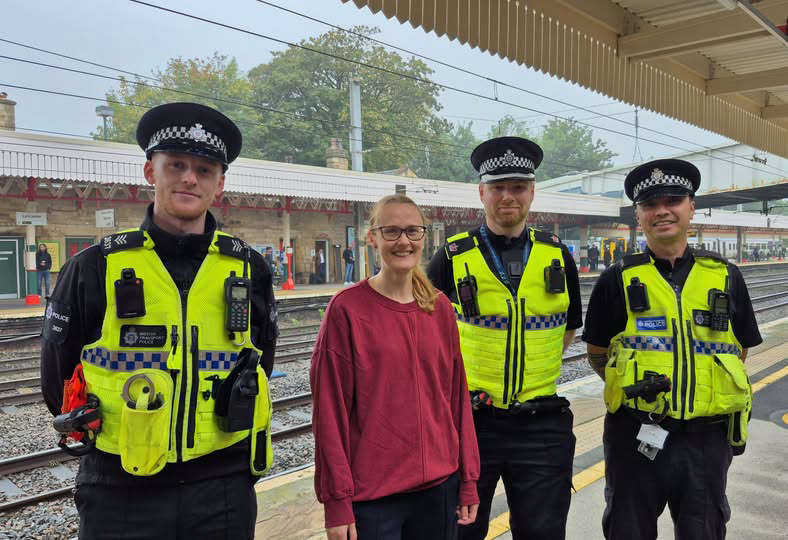 MP welcomes return of British Transport Police back to Lancaster station
 Ryelands Community Connect initiative aims to bring together locals
 Twenty vehicles caught speeding during police crackdown in Lancaster
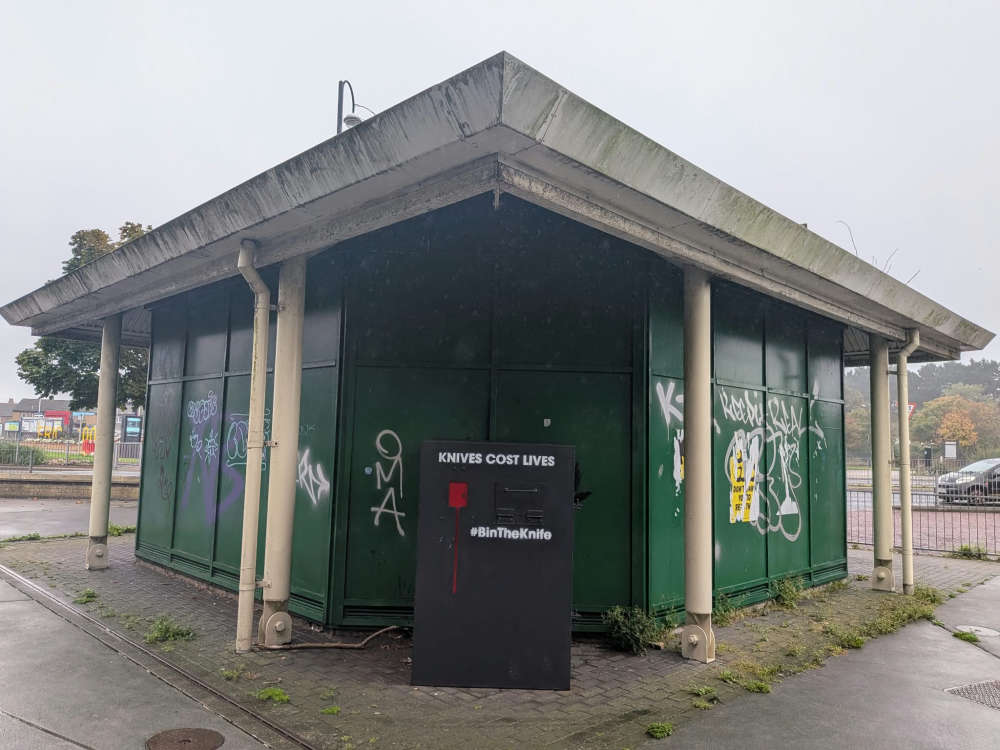 Councillors call for halt to demolition of vandalised Morecambe 'youth hut'
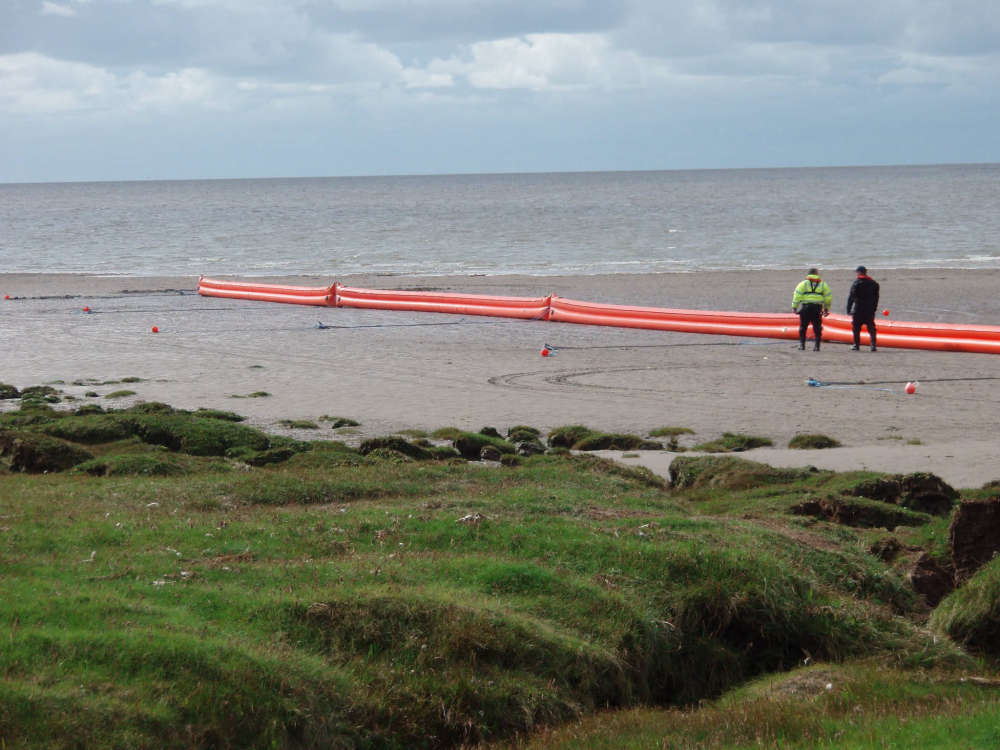 Coastal pollution clean-up training to be held on Morecambe beach
 Man seriously injured at Morecambe pub "making excellent progress" as investigation continues
 Vandals target tractors used by King's Guide to Sands of Morecambe Bay to keep walkers safe
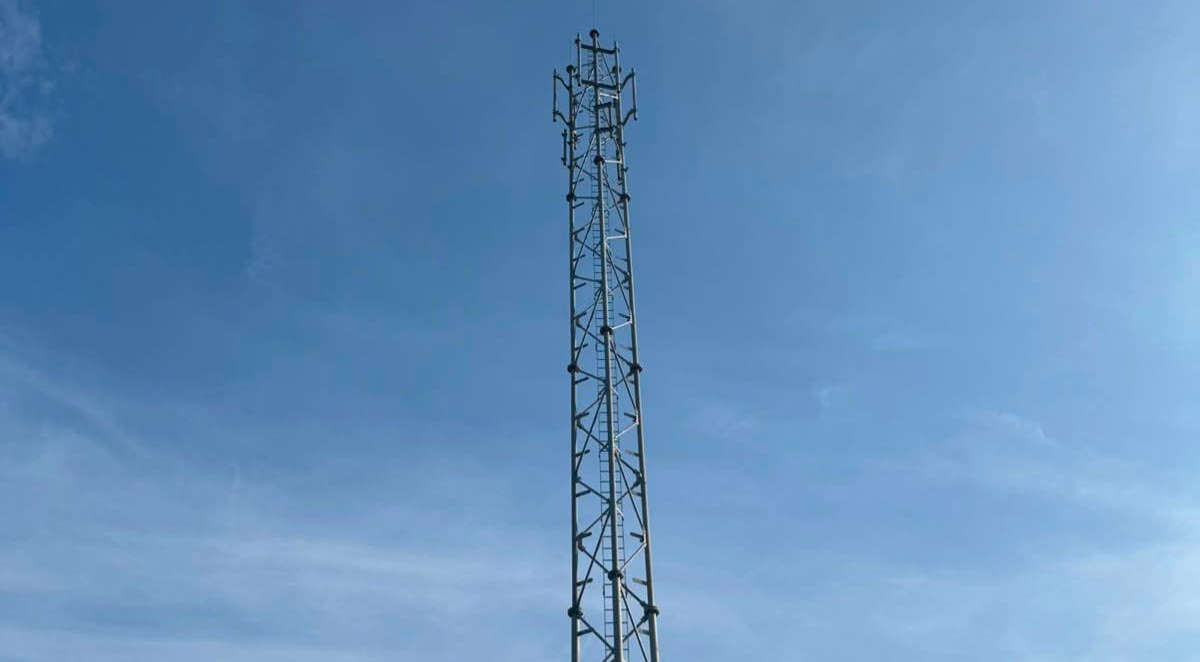 MP hopes for improved mobile signal at last as new mast installed in Lancaster
 Maternity services at the Royal Lancaster Infirmary officially exit national special measures
 Crews tackle kitchen fire in Lancaster
 Opening date announced for animal rescue charity's new Morecambe home
 Lancaster MP takes on Morecambe 10K in aid of new children's playground
 Tributes paid to twice-Lancaster mayor who served on council for 56 years
 Dancing Eric Morecambe Statue part of police campaign to warn about AI deepfakes
 PHOTOS: Great Wall of China trek raises more than £300K for Lancaster hospice
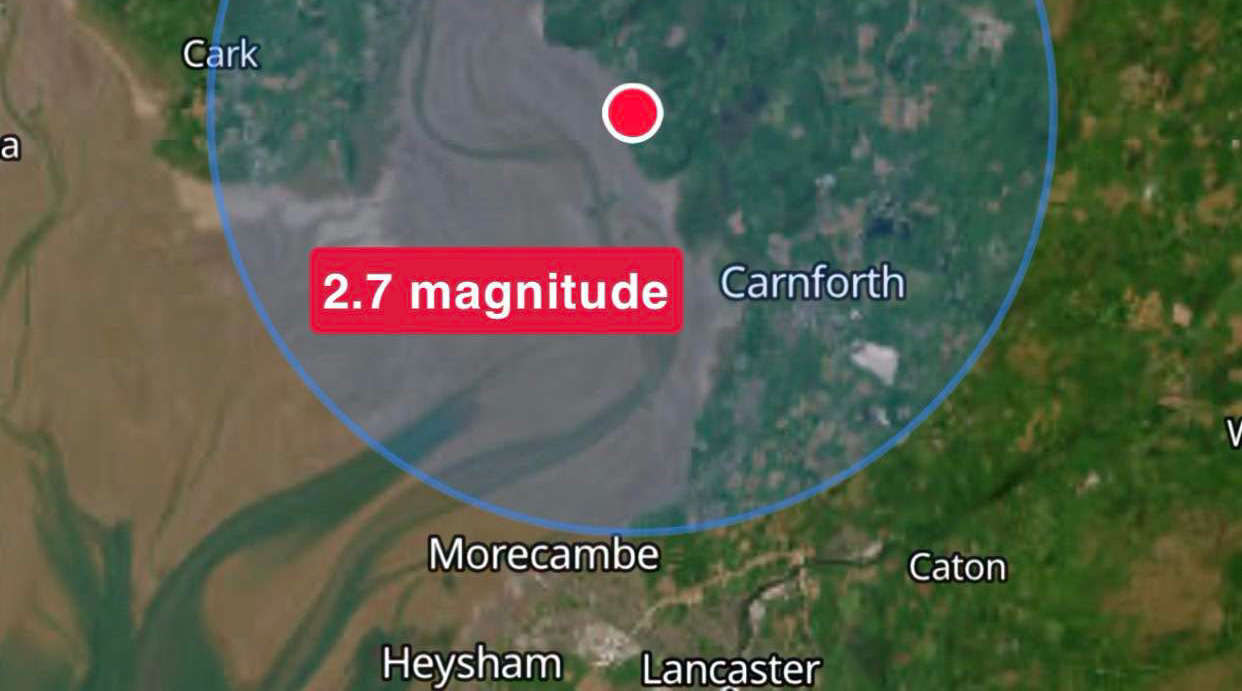 Another earthquake hits Silverdale as tremors felt across Lancaster and Morecambe Bay
 Fire crews tackle vehicle fire on M6 near Lancaster
 Poetry in motion as live workshop comes to Morecambe rail journey
 Lancaster pupils highlight school crossing patrol road safety campaign