
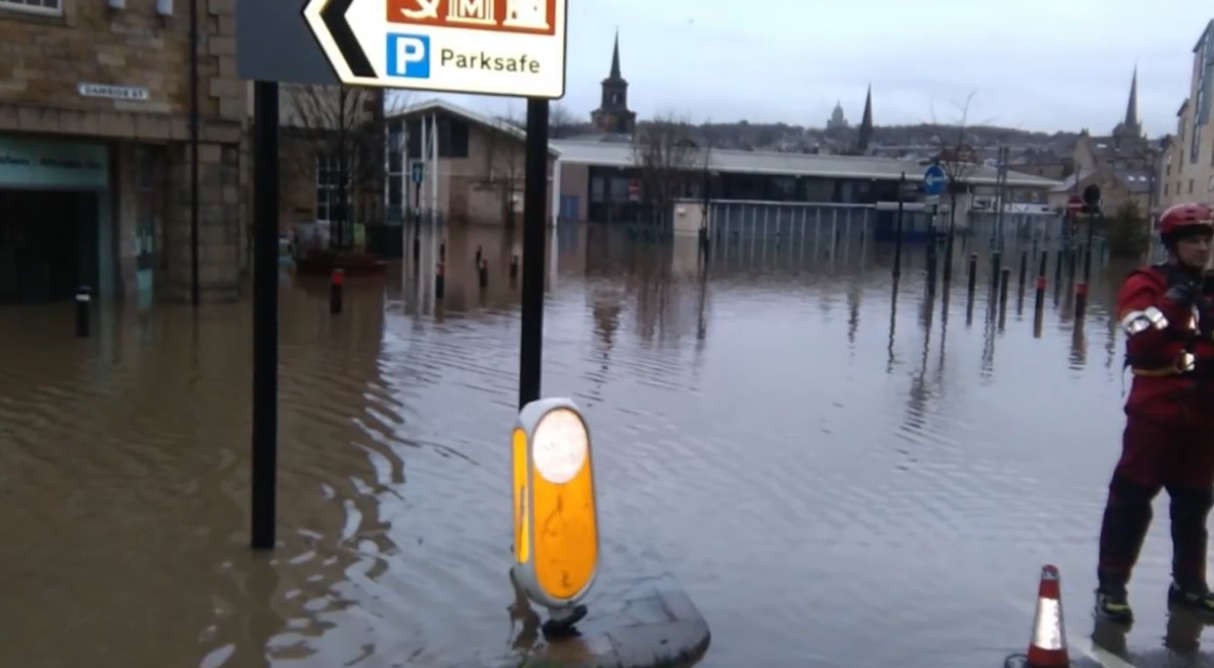
A firefighter who was on the front line when Storm Desmond caused extensive flooding to Lancaster has been reflecting on that night on the weather event’s tenth anniversary.
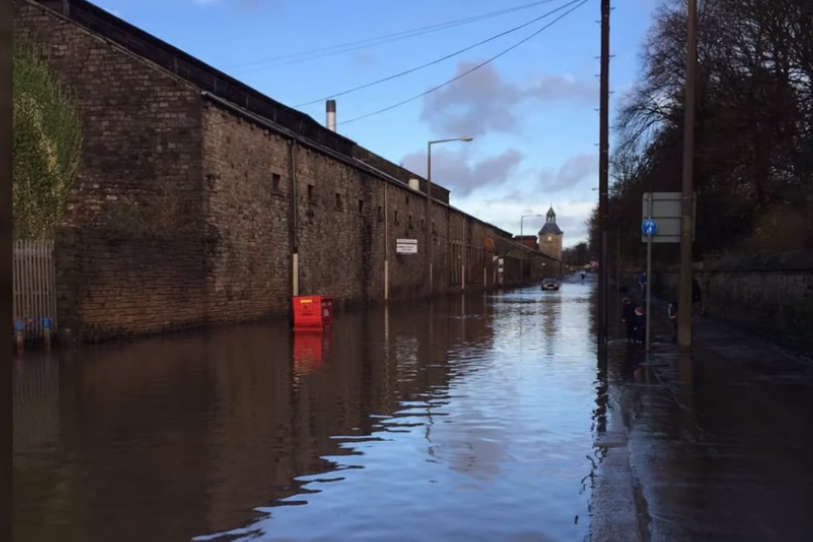
Today marks ten years since heavy rain caused the River Lune burst its banks, on December 5, 2015, in what was described as a ‘once in a hundred year event’.
61,000 homes in Lancaster, Morecambe, and the surrounding areas lost power after the Caton Road electrical substation was flooded.
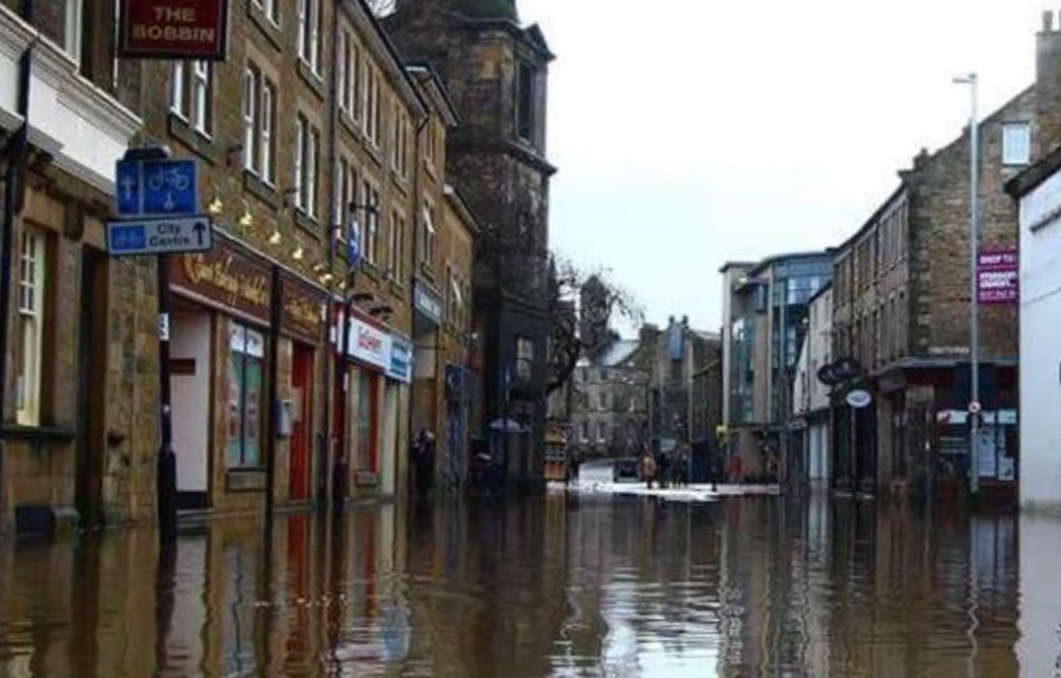
Mobile generators had restored electricity to most homes within 48 hours, but then further unforeseen damage caused up to 42,000 to lose power again, resulting in many being left without electricity for three consecutive nights.
Electricity North West sent vans out to various streets in the district so people could have a hot meal. Rail services were also badly hit, as many lines and roads were impassable due to flooding.
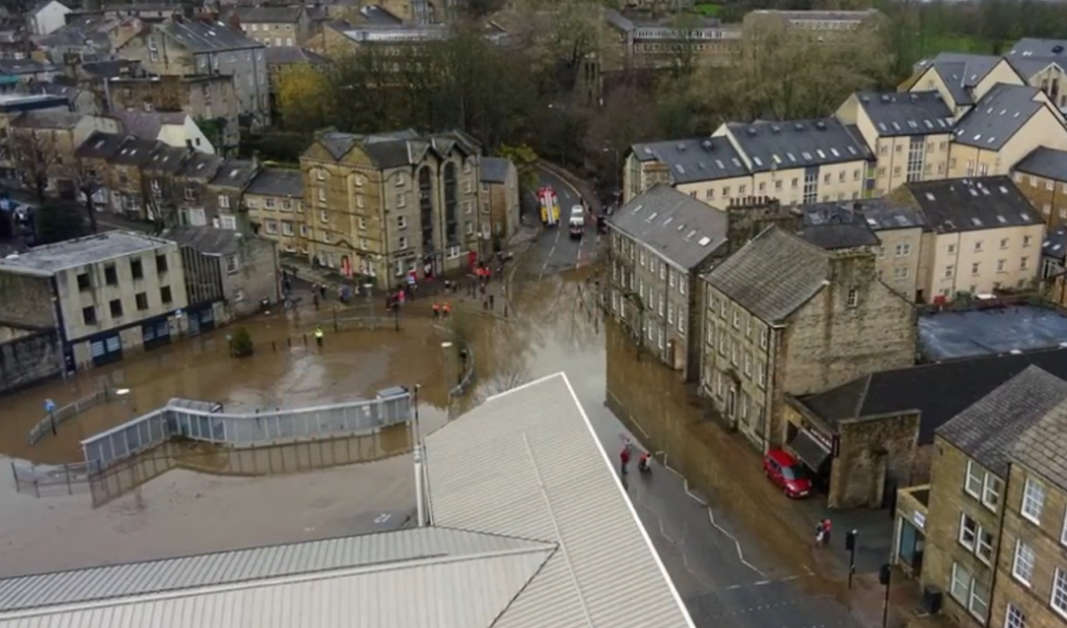
Major roads were flooded, the city was temporarily cut off, and army trucks were used as ambulances.
Key areas in Lancaster that flooded included Caton Road, St George's Quay, Stonewell, and Aldrens Lane.
Lancashire Fire and Rescue’s Community Protection Manager for Northern Area, Kirsty McCreesh was a firefighter working out of Lancaster fire station on that night.
Speaking to Beyond Radio, Kirsty shared her memories of the event.
Click here to listen to our interview:
‘’I was part of Green Watch at Lancaster, and we were one of the swift water rescue teams,’’ she said.
‘’It very much started like any other shift. We knew the storm was on its way, and we knew the rain was falling. We knew that the ground was completely saturated. There was nowhere for it to go.
‘’But I don't think we were quite prepared for what the day brought with it, especially as the day went into night, and then obviously we lost the electricity substation as well. In terms of the magnitude of what happened it was quite catastrophic in a lot of respects.
‘’We just went from call out to call out. We got ring fenced because we were a swift water rescue team, so we had special equipment and training. We went to the incidents that were rescues and we also deployed fire engines to get involved in pumping out to try and protect infrastructure and protect people's property.''
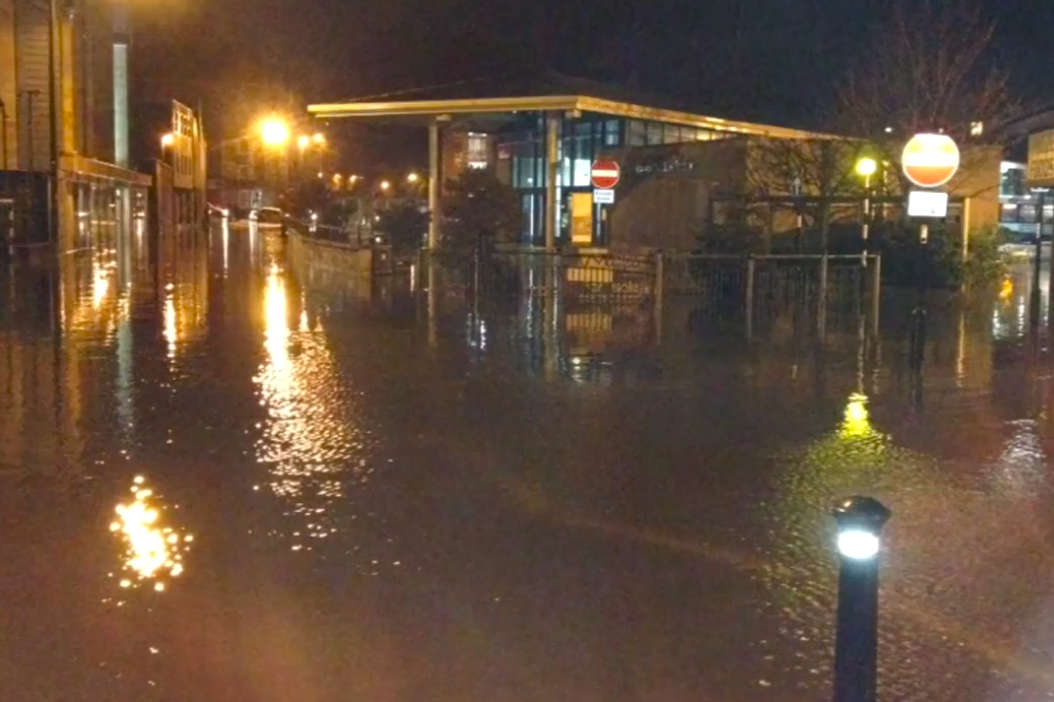
‘’I remember driving back, I think, from that first incident, and looking out of the window. I sat in the back of the fire engine, and just the rain was relentless. It was coming down. The roads already were starting to flood. And the looking either side of the road as well, it was just water. As far as you could see.
‘’The floodwaters came up and flooded the fire station. So I think that really brought home to us as well, in terms of the devastation for people who were flooded, whether it be businesses, whether it be people's homes, and that sort of aftermath and devastation for them was horrible.
‘’I've been in 18 years now, and I'd say that was one of my most memorable days, in terms of the scale of the response and the number of incidents, how busy it was, I haven't experienced anything like that. The scale of it in terms of what else we've or what else I've dealt with with my career, it's definitely up there.
‘’I remember being struck by the kindness of some of the residents as well with because obviously we were bringing us sort of hot food and drinks and things and looking after us as we were trying to do our best, which I thought when they're sort of experiencing some of the worst days of their lives. I thought the kindness really struck me as well.
‘’That community spirit really came out and then followed on into the recovery as well as people were trying to rebuild clean up, which was something that we got involved in as well with it. But it was nice to see that community side come out definitely.’’
Following the devastation, significant investment has gone into flood risk management schemes and community preparedness in the region.
This includes the completion of the Lancaster Flood Risk Management Scheme, a £12.1 million scheme on the River Lune, providing 2.8km of new or improved flood walls and embankments to better protect over 170 homes and businesses in the Caton Road and Aldrens Lane areas.
Electricity North West completed a multi-million-pound project to raise all essential equipment at the Caton Road substation above the 1 in 1000 year flood level, securing power supplies for the city.
More than £5 million has been invested in Natural Flood Management schemes across Cumbria and Lancashire since 2015, using natural processes like tree planting, peatland restoration, and leaky dams to slow water flow upstream.

 Appeal launched to help save Morecambe sports and social club
 Reopening date announced after Morecambe Jobcentre closes for repairs
 Lancaster charity urges residents to know how they’re affected by Renters' Rights Act
 Lancaster district residents urged to check their details as annual electoral canvass begins
 E-bikes and e-scooters seized during police crackdown on Lancaster cycle track
 Four vehicles involved in road collision in Carnforth
 LISTEN: Popular vlog tells story of couple's second-hand bookshop dream in Morecambe
 Emergency team in Silverdale receives donation of life-saving kits
 MP offers support to staff after Morecambe FC reported to The Pensions Regulator
 Track night at Lancaster sports club to launch police safety scheme for women and girls
 PHOTOS: Live music day to raise funds for homeless people in Lancaster hailed as huge success
 Former bank turned live music venue in Morecambe to reopen under new management
 New parking system set to launch at Royal Lancaster Infirmary
 Museum in Lancaster up for award launched by TV historian David Olusoga
 MP fights for refunds after Heysham medical centre patients get parking fines in error
 Two teenagers arrested after car stolen during Hest Bank burglary
 Parents demand further action after health watchdog probe into asbestos complaints at Lancaster school
 LISTEN: Lancaster medical students praised for helping man who collapsed
 Man arrested on Morecambe beach after report of assault
 Police probe burglaries in villages near Carnforth